
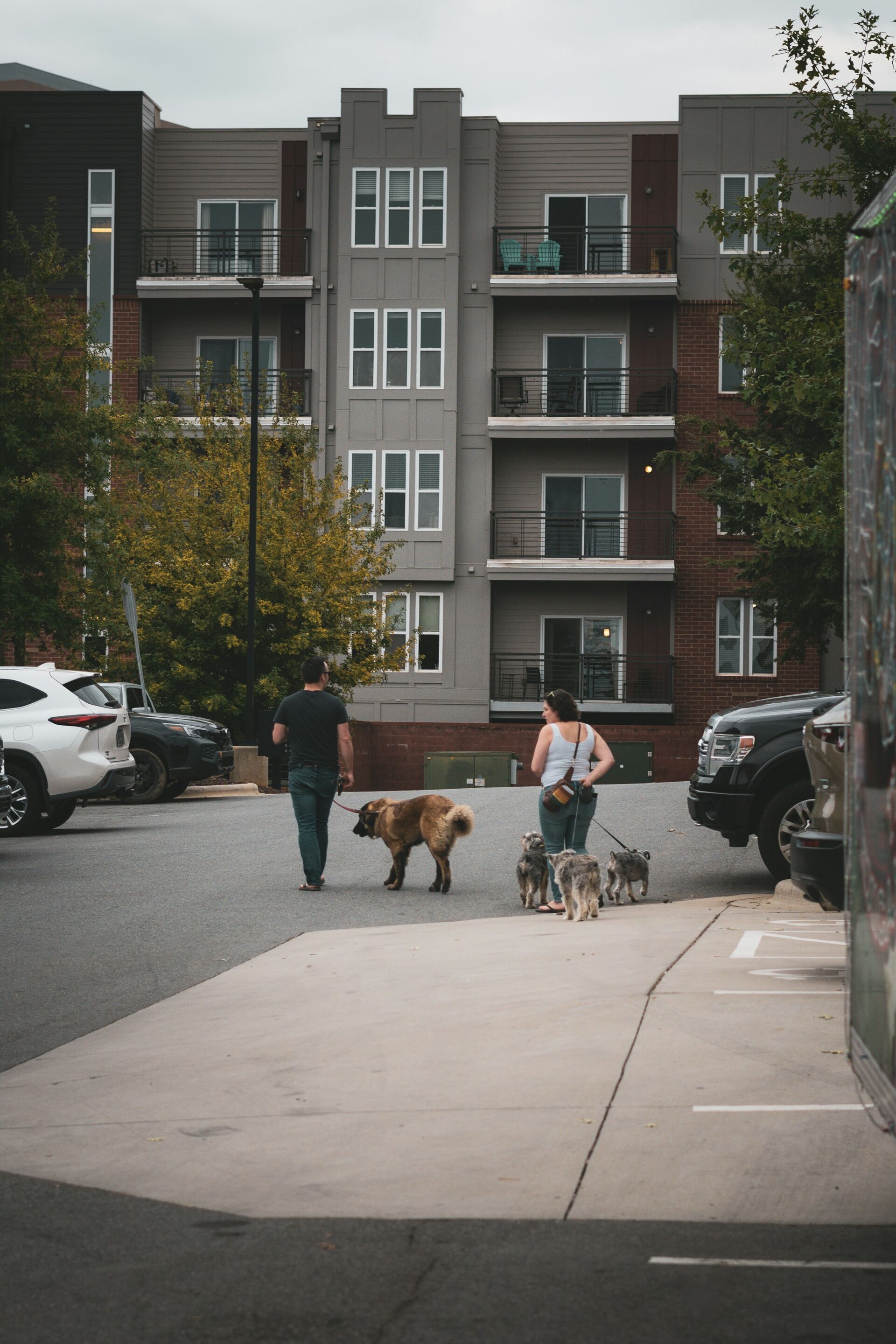
Starting April 1, 2027, every California rental owner needs a written pet policy, and applicants have to see it before they pay an application fee. Governor Newsom signed SB 1296 on September 30, 2026. It doesn’t tell you whether to allow pets. It tells you to put your rules in writing and show them up front.
For owners of multi unit buildings in the South Bay, that touches your listings, your website, your application packet and your leases. Here’s what the law requires and how to get ready.
What SB 1296 requires
Owners must keep a written pet policy or pet addendum that explains, in plain language, the rights, responsibilities and rules for tenants who have pets. That applies whether your building welcomes pets, limits them or doesn’t allow them at all. A “no pets” building still needs that rule in writing.
Applicants get a written copy with the rental application and sign to acknowledge they received it.
Where the policy has to show up
The law follows the path a renter takes to find your unit:
- On the property’s website, if it has one
- In digital ads you control, through a link to the policy
- On third-party rental listing sites, when the platform supports links
- With every rental application, as a written copy
The law doesn’t require you to build a website or advertise online. It only applies to the channels you already use.
What happens if an applicant doesn’t get it
If you collect an application fee before the applicant has received your pet policy, and because of that they turn out to be ineligible or decide not to go ahead, they can ask for that fee back. The owner then has seven business days to refund it.
For a busy building, a handful of refunds adds up quickly, and it’s an easy problem to avoid. The safest habit is to attach the policy to the application itself so the two always travel together.
What the law doesn’t change
SB 1296 is a disclosure law. You can still set pet restrictions for health and safety, the condition of the property, insurance requirements or other business reasons.
Service animals and assistance animals are still covered by state and federal fair housing law. They aren’t pets, so your pet rules, deposits and pet rent don’t apply to them. Your written policy should say so clearly.
What a clear pet policy covers
The law asks for the material rules. In practice, a policy that answers an applicant’s questions before they ask will usually cover:
- Which animals are allowed, and any limits on size, breed or number per unit
- Any pet deposit or monthly pet rent
- Vaccination and licensing requirements
- Whether the tenant needs liability insurance that covers the pet
- Rules for common areas, noise, waste and damage
- How assistance animal requests are handled
One California detail to watch: a refundable pet deposit counts as part of the security deposit. Under AB 12, most owners can collect no more than one month’s rent in total security, so the pet deposit has to fit inside that limit.
Our guide to pet policies for property owners walks through how to decide on each of these.
How to get ready before April 2027
- Write down the pet rules you already use, even if they’ve only lived in your head or your lease.
- Put them in one plain-language document or addendum.
- Add a link to that document in your online listings and on your property website.
- Attach a copy to your rental application and add a line for the applicant to sign.
- Make sure leases and pet addenda match the policy word for word.
The owners who wait until spring will be scrambling with every listing that goes up. Getting this done during the slower winter leasing months is much easier.
How Jamico Properties handles pet policies
Jamico Properties manages more than 2,400 units across California and Oklahoma. We write and update pet policies for the buildings we manage and keep them consistent across listings, applications and leases. If you’d like us to review your current policy against SB 1296, request a free rental analysis.
Sources
This article is general information, not legal advice. Talk to an attorney about your specific property.
About the Author

Christie Slatcher is the owner and CEO of Jamico Properties, a family-owned property management company that has looked after rental property in the South Bay and in Tulsa since 1995. Her team manages more than 2,400 units across both markets, from single rentals to multi-unit buildings. She writes from what actually comes up in the day to day, not from theory.
Jamico Properties, a DBA of Jamison Management Company. DRE #01356743.