
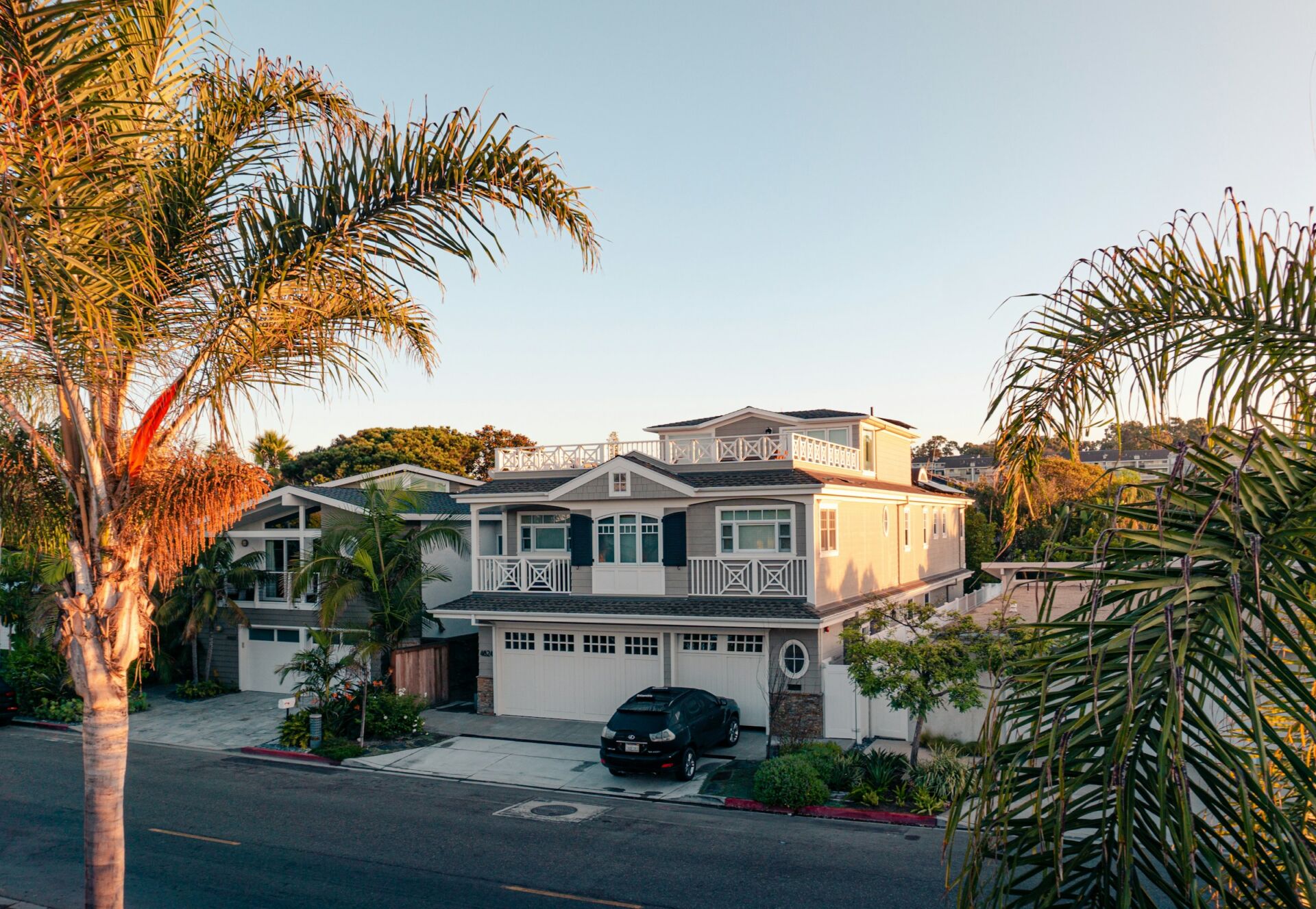
Manhattan Beach is one of the most desirable rental markets on the California coast. Beach proximity, top-ranked public schools, deeply limited new supply, and consistent demand from professionals and families produce some of the highest residential rents in the South Bay — and one of the most demanding tenant pools to manage. For owners of rental property in Manhattan Beach, that combination brings real opportunity and real complexity.
Statewide rent regulation under AB 1482, a strict citywide ban on short-term rentals, coastal maintenance realities, and high-touch tenant expectations all combine to make professional Manhattan Beach property management a meaningful advantage rather than a luxury. This guide outlines what owners should understand about the local market, the rules that apply, and how to evaluate the right management partner.
Why Manhattan Beach Is a High-Demand Rental Market
Manhattan Beach occupies roughly 3.9 square miles between El Segundo to the north, Hermosa Beach to the south, and the Pacific Ocean to the west, with a population of approximately 34,000. Several factors anchor long-term rental demand:
- Proximity to LAX, the broader South Bay employment base, the Westside, and major aerospace and defense employers.
- One of the highest-performing public school districts in Los Angeles County, which drives sustained family demand.
- A housing stock weighted heavily toward single-family homes, with smaller multifamily buildings concentrated in the Sand Section, downtown, and along key arterials — a structurally tight supply.
- A coastal lifestyle and beach access that consistently draws relocating professionals and executives between home purchases.
For owners, this has translated into strong rent growth, low vacancy, and durable property values over long holding periods. It has also produced an unusually selective and well-informed tenant pool with high expectations for property condition and responsiveness.
Rent Rules in Manhattan Beach: What Owners Need to Understand
Manhattan Beach does not have a local rent stabilization ordinance, which means residential rent increases for covered properties are governed primarily by state law. Most importantly, AB 1482 caps annual rent increases on covered units at 5% plus regional CPI, or 10%, whichever is lower. Effective August 1, 2026, the cap for the Los Angeles–Long Beach–Anaheim region is 8.7%.
Several other layers of regulation apply:
Statewide just-cause termination protections. AB 1482’s just-cause framework applies to most covered Manhattan Beach units, limiting the situations in which a tenancy can be ended and triggering relocation assistance obligations for certain “no-fault” terminations.
AB 1482 exemptions. Single-family homes and condominiums may be exempt from AB 1482’s rent cap and just-cause rules, provided the owner is not a corporation or REIT and proper exemption notice has been delivered to the tenant. Buildings within the 15-year rolling new-construction window are also exempt. The exemption is not automatic — proper notice matters.
Active emergency price protections. Separate from AB 1482, California Penal Code §396 currently caps rent increases for covered units at 10% above the rate in effect on the date of declaration, tied to the Southern California Storms emergency (in effect for Los Angeles County through June 22, 2026, subject to extension). See our overview of California price gouging protections in 2026 for the current status before issuing any increase.
State balcony inspection requirements. Multifamily properties with three or more units are subject to SB 721, which requires periodic inspection of exterior elevated elements — balconies, decks, walkways — by a qualified inspector on a six-year cycle. The initial deadline of January 1, 2026 has passed, and any uninspected building is now out of compliance and accruing risk.
Short-Term Rentals in Manhattan Beach: Effectively Banned in Most of the City
Manhattan Beach’s short-term rental rules are unusually strict relative to neighboring beach cities and frequently catch new owners off guard.
In April 2019, the City Council adopted Ordinance No. 19-0007, which strengthened a citywide ban on short-term rentals. The ordinance prohibits renting residential property for less than 30 days, applies to renters and lessees as well as owners, and prohibits even advertising a short-term rental. Hosting platforms can be required to provide listing information to the City, and unpermitted operation can carry significant penalties.
There is one important exception: in April 2022, the California Court of Appeal ruled that the City’s short-term rental ban cannot be enforced against properties within the Coastal Zone. Short-term rentals in Coastal Zone residential properties are accordingly permitted, subject to business licensing and Transient Occupancy Tax (TOT) collection. Owners outside the Coastal Zone remain subject to the full ban.
For owners weighing whether to convert a long-term rental to short-term use, the practical implications are clear: outside the Coastal Zone, the answer is generally no. Inside the Coastal Zone, the answer is yes — but with permitting, tax, and HOA review that should be confirmed before any change in use.
Local Operational Realities for Manhattan Beach Owners
Coastal maintenance budgets. Salt air, marine layer humidity, and intense summer sun accelerate wear on exterior paint, fixtures, decks, roofing, and HVAC. Owners using inland maintenance schedules consistently under-fund the actual replacement cycles.
Premium tenants, premium expectations. Tenants paying $8,000 to $15,000 a month for a single-family home — and a substantial premium for beach-adjacent apartments — expect rapid maintenance response, professional communication, and clean common areas. Operations calibrated for inland B-class properties typically fall short.
Submarket pricing. Pricing varies substantially across the Sand Section, Tree Section, Hill Section, and East Manhattan. Generic comparables miss meaningful rent differences block by block. The cost of mispricing — either through extended vacancy or leaving money on the table — is high at this rent level.
Insurance and underwriting. Coastal properties face stricter insurance underwriting and higher premiums. Carriers increasingly require proof of SB 721 compliance, current roof condition, and updated electrical and plumbing at renewal.
HOA and Coastal Commission overlays. Many Manhattan Beach properties carry HOA covenants restricting use, modifications, and short-term rentals; properties near the coast may also be subject to California Coastal Commission jurisdiction for renovations, additions, or use changes.
What Professional Property Management Covers in Manhattan Beach
A well-run Manhattan Beach property management company handles the operational and compliance load that owners often underestimate:
- Pricing and marketing calibrated to the specific Manhattan Beach submarket.
- Tenant screening calibrated to the local applicant pool and rent tier.
- Compliant AB 1482 rent increases and notices, layered correctly with any active emergency price protections.
- Lease drafting that incorporates required California disclosures, just-cause framework, and exemption notices where applicable.
- SB 721 balcony inspection coordination on the six-year cycle, with documentation retained for insurance and resale.
- Coastal-experienced maintenance vendor dispatch and proactive preventive maintenance.
- Habitability monitoring and proactive issue resolution before complaints escalate.
- Owner reporting — monthly financials, lease tracking, maintenance logs, and a clear point of contact.
How to Evaluate a Manhattan Beach Property Management Company
Owners interviewing property management companies in Manhattan Beach should ask specific questions:
- How many properties do you currently manage in Manhattan Beach, and across what submarkets?
- How do you price Sand Section, Tree Section, Hill Section, and East Manhattan units differently?
- How do you stay current on AB 1482 updates, active emergency price protections, and the August 1 annual reset?
- What is your standard process when a tenant disputes a rent increase or notice?
- How do you handle SB 721 compliance and ongoing inspection cycles?
- What is your maintenance vendor network for coastal exposure, and what are your average response times?
- What is your tenant placement timeline, and what is your average tenant tenure?
- What does your fee structure look like, and what is included versus billed separately?
Strong operators will give specific, structured answers. If a company cannot clearly explain how they handle AB 1482 layered with active emergency protections — or cannot speak fluently to the Manhattan Beach short-term rental rules and the Coastal Zone exception — that is a meaningful warning sign.
Investing in Manhattan Beach for the Long Term
Manhattan Beach’s combination of structurally limited supply, premium schools, beach access, and proximity to the Westside and LAX continues to support long-term rental demand. For owners willing to operate the property well — coastal maintenance discipline, compliant rent practices, careful submarket pricing, and respect for the city’s short-term rental rules — Manhattan Beach remains one of the more compelling long-term holds in the South Bay.
The key is operating the property well, and operating it in compliance.
If you own a rental property in Manhattan Beach and want a clear-eyed assessment of how it is performing relative to the market, request a free rental analysis or contact our team to discuss professional property management for your building.
This article is for informational purposes only and is not legal advice. Property owners should consult a qualified attorney for guidance specific to their property.
About the Author

Christie Slatcher is the owner and CEO of Jamico Properties, a family-owned property management company that has looked after rental property in the South Bay and in Tulsa since 1995. Her team manages more than 2,400 units across both markets, from single rentals to multi-unit buildings. She writes from what actually comes up in the day to day, not from theory.
Jamico Properties, a DBA of Jamison Management Company. DRE #01356743.