
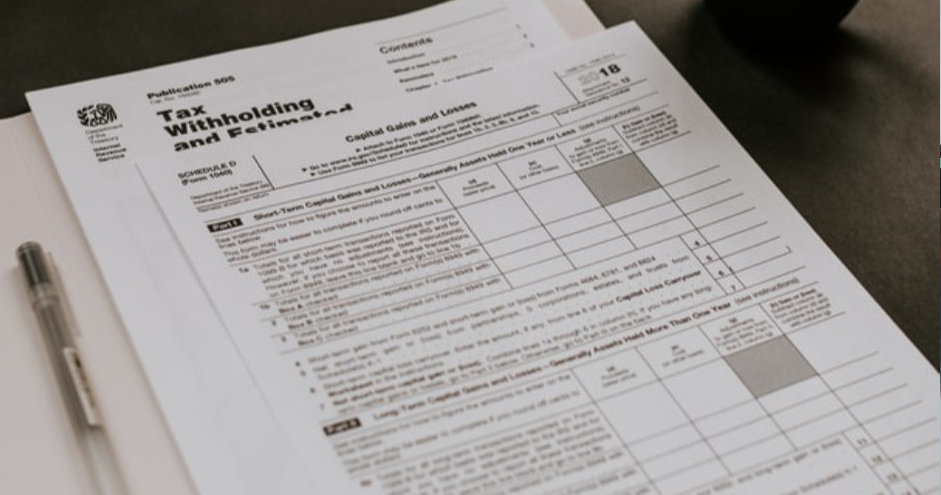
There are many benefits to owning a rental property, and they offer an irresistible mix of cash flow and equity growth. The tax shelter, however, is by far the most attractive benefit. Because rental properties ride the line between being a business and being an investment, an investor will typically get tax advantages and liberal write-offs, including tax deferrals for rental properties that are exchanged.
Tax-sheltered Cash Flow
You are taxed only on profits you earned from your rental properties. To work out your profits, add all your rent and other income sources, then subtract all of your expenses. Your rental property expenses should include things such as property taxes, repairs, mortgage interest, and management fees. It can also include travel-related expenses. For example, if you own a rental property in another state and spend a week working on it, then the whole trip would be tax-deductible.
Tax-sheltered Growth
Those who invest in real estate do so in hopes that their properties will increase in value every year. This happens through the monthly payments to the mortgage, which adds to the property’s equity ownership. Further growth can come from the increase in value, which may be the result of a healthy market, or due to a growing net operating income, which is the case for rental properties. Because the Internal Revenue Service doesn’t accept capital gain unless the property has been sold, the money will continue to grow.
Deductions On Passive Activity Loss
The number of expenses you can claim on an investment property will most likely end with a taxable loss. In many cases, you can’t invest and use losses from any passive activities to offset the income that you may earn from a job. The IRS, however, will let you claim as much as $25,000 in passive activity losses. To make sure that you’re able to claim your tax benefit, you need to have a modified adjusted gross income of $100,000 or below (for both joint and married tax filers). You can also qualify if you have $50,000 or below if you’re married but filed separately. If your income is over the modified gross income threshold, then your claim to the passive activity loss drops $1 for every $2 of income. Additionally, unallowed passive losses are carried forward and can offset passive income from any passive activity. When you sell a passive activity with passive losses, the carryover losses can all be taken in the year of the sale.
Tax-Free Exchanges
Investors can structure the sale of their home as a tax-deferred exchange. For example, you may sell your rental property and use the money to buy further investment properties—even if it’s located in another state or is a different property type. Using the rules stated by the IRS, you can transfer your cost basis from an old property into a new one. This is because the IRS doesn’t look into these kinds of transactions as a sale, so you don’t need to pay any depreciation recapture taxes or capital gain taxes on such an exchange.