
By Christie Slatcher, September 15, 2022
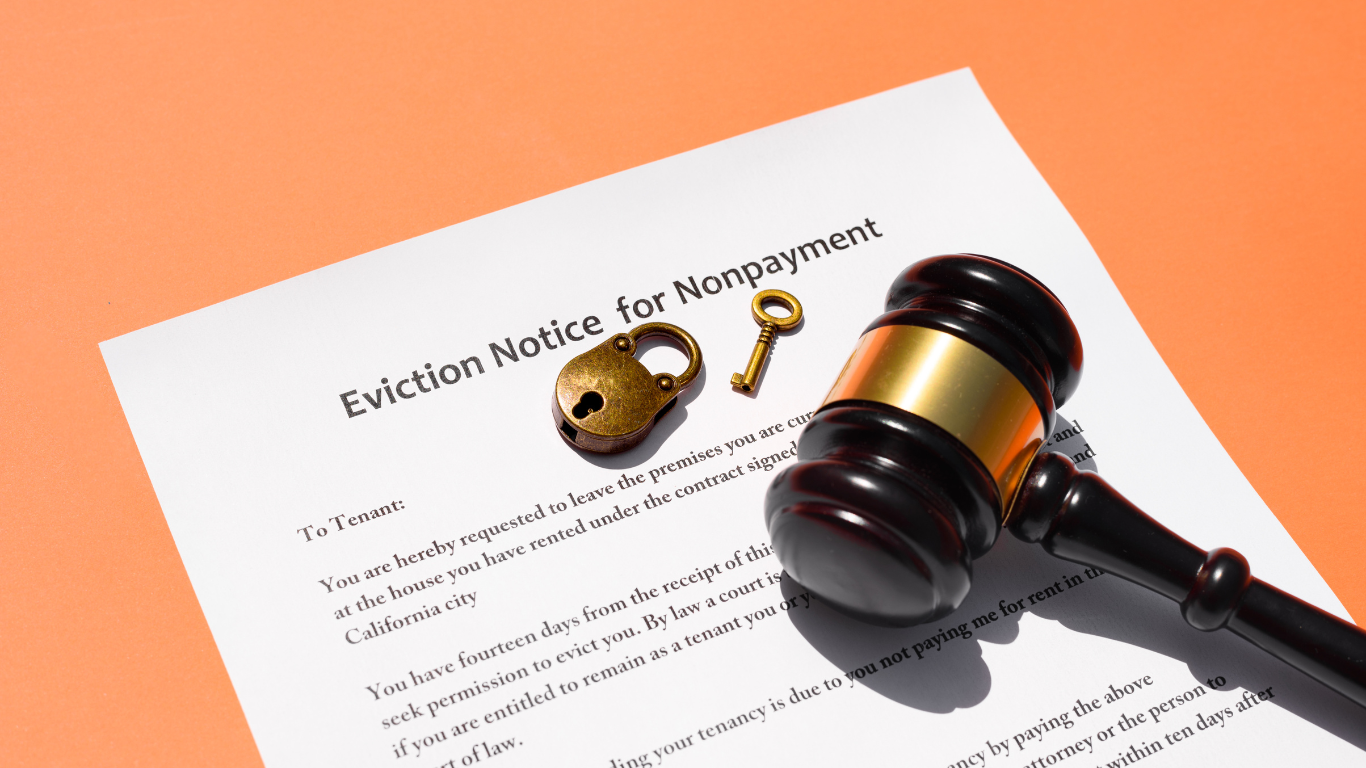
The Los Angeles County Board of Supervisors voted 3-2 on Tuesday to phase out its Covid-19 eviction moratorium and launch a campaign to educate landlords and renters about the changes.
The ruling implies that many renters in the largest county in the country would no longer be shielded from eviction if they are unable to pay their rent because of a COVID-19-related financial difficulty after December 31, 2022.
The phase-out plan was proposed by Supervisor Kathryn Barger, who said, “Given the resources we put into play—the financial resources to help both tenants and landlords to collect back rent—it’s time for us to begin moving forward.”
Some the opposing Board members, believe that ending the eviction moratorium will significantly increase our homeless population since policy experts on homelessness attribute the decline in the homeless Angelenos during the pandemic are a direct result of the Covid-19 restrictions on rent increases and evictions.
Last week, the region’s latest homeless count found a 4.1% rise in homelessness in L.A. County over the last two years. That number was significantly lower than the 26% increase observed between 2018 and 2020, before COVID-19 tenant protections were enacted.
Before rules are lifted, tenants want permanent protections.
The county’s attempts to protect tenants during the epidemic don’t just apply to people being evicted because they can’t pay their rent because of COVID-19. Additionally, they protect rent-controlled housing in unincorporated areas of Los Angeles County against rent increases. They also protect tenants with unauthorized occupants and pets to remain sheltered in their households during the pandemic. When the eviction moratorium ends, these protections will end too.
Advocates for tenants are concerned that thousands of low-income renters who lost their jobs or lost a family breadwinner may be at risk of losing their homes at the beginning of the new year. Before eliminating the COVID-19 regulations, they demand that the county implement permanent tenant protections. Without permanent protections, LA will soon see spikes in homelessness as we’ve seen in the past. They are requesting tenants’ rights such as:
• Rent control is in place in all 88 of the L.A. County cities.
• Limiting evictions for “just cause,” such as creating a nuisance or property damage.
• The right to an attorney for all renters facing eviction
• Increasing the minimum amount of unpaid rent that tenants must have for their landlords to begin the eviction process.
Landlords are Tired of Footing the Bill for these Tenant Protections
Although California’s Rent Relief program has compensated many landlords for unpaid rent during the pandemic (more than $2.4 billion), the program ended in April. However, some Landlords never received relief for lost rents because their tenants were ineligible, would not participate in supplying the necessary paperwork or the program ran out of funding.
“As a landlord, you do your best to take care of everything, pay your taxes, buy property insurance, and follow all the rules — just to have your state turn your back on you”, said Patty Leon, a frustrated Landlord of a single-family in La Puente.
Leon claimed that the tenant’s failure to pay rent predated the pandemic and had nothing to do with COVID-19, but it took her until October 2020 to be able to carry out a formal eviction. She also claimed that the tenant’s ineligibility prevented her from being eligible for rent relief.
“Where is my protection during this time?”, Leon asked. “I have bills. I have a life that I have to live. I need food, shelter, and medical attention just like tenants do. But if I remove my income, I can’t do those things.”
The City of LA Retains Its Protections
Tuesday’s vote will apply to unincorporated parts of L.A. County, as well as any cities within the county that do not have their own stronger tenant protections in place.
The vote will not apply to the city of Los Angeles, which has rules in place that currently have no end date. The City of LA will continue to limit evictions and rent increases due to Covid-19.
Source: LAist